The Evolution of the Nissan Skyline
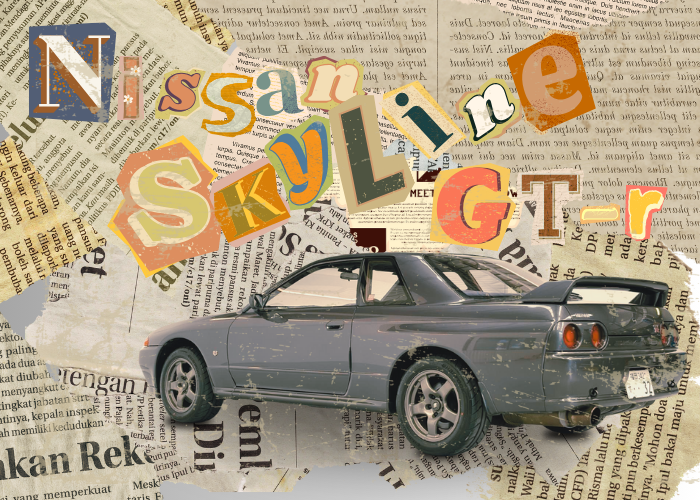
The Nissan Skyline has long been a symbol of automotive excellence and innovation, especially among enthusiasts who appreciate its blend of performance and technology. Its journey from a humble beginning to the powerhouse it is today is a story worth telling. Let’s dive into the evolution of the Nissan Skyline, exploring its legacy, technological advancements, and why it continues to capture the hearts of car lovers worldwide. The Skyline is more than just a car; it’s an icon that has left a significant mark on the automotive industry and has become a cultural phenomenon.
From its early days, the Skyline has exemplified the spirit of innovation and passion. Each generation of the Skyline has brought something new to the table, pushing the boundaries of what a performance vehicle can achieve. This relentless pursuit of excellence is what has allowed the Skyline to remain relevant through decades of changing trends and technological advancements. As we explore the history of the Skyline, we will see how it has evolved in response to both consumer demands and technological breakthroughs, maintaining its status as a pioneering force in the world of automobiles.
Origins of a Legend: The Early Years
The Skyline name first appeared in 1957 as a product of the Prince Motor Company, which later merged with Nissan in 1966. The early iterations, including the Datsun Skyline GT, were far from the sporty, high-performance machines we know today. Instead, they were practical vehicles designed for everyday use. However, even at this nascent stage, the foundation for something greater was being laid. The early Skylines were celebrated for their reliability and practicality, offering a glimpse of the potential that would later define the brand.
During this period, the focus was on creating a vehicle that could serve the needs of the average driver. The Skyline was built to be dependable and versatile, characteristics that would remain integral to its identity even as it transformed into a performance legend. The merger with Nissan opened new avenues for innovation and expansion, setting the stage for the Skyline’s future

evolution. The early years were crucial in establishing the Skyline’s reputation for quality and durability, attributes that continue to attract loyal fans to this day.
The Birth of the GT-R
The 1969 launch of the Skyline GT-R marked the beginning of a new chapter. With a focus on performance, the GT-R quickly became a force to be reckoned with on the track. It was during this era that the Skyline began to carve out its identity as a performance-oriented vehicle, setting the stage for future generations. The GT-R was equipped with a 2.0-liter DOHC in-line six engine, a technological marvel for its time, and it set a new standard for Japanese sports cars.
The success of the GT-R on the racing circuit only added to its allure, earning it a dedicated following among motorsport enthusiasts. It was not just a car; it was a symbol of what could be achieved through engineering excellence and a relentless pursuit of performance. The GT-R’s introduction was a pivotal moment in the history of the Skyline, as it solidified its place in the annals of automotive history. This model laid the groundwork for future innovations, establishing the Skyline as a benchmark for high-performance vehicles.
The Turbocharged 1980s
Fast forward to the 1980s, a decade of excess, big hair, and even bigger engines. The Nissan Skyline 1980 model continued to evolve, embracing
turbocharged technology that enhanced its performance capabilities. The R30 and R31 series introduced features that would become synonymous with the brand, like advanced aerodynamics and cutting-edge technology. This era was marked by a newfound emphasis on speed and power, as the Skyline adapted to the changing tastes of consumers.
The introduction of turbocharged engines allowed the Skyline to deliver unprecedented levels of performance, capturing the imagination of car enthusiasts worldwide. The 1980s were a time of experimentation and innovation, and the Skyline was at the forefront, showcasing the potential of turbo technology. These advancements not only improved the car’s performance but also solidified its reputation as a leader in the automotive industry. The turbocharged Skylines of the 1980s were trailblazers, setting the stage for future developments in automotive technology.
The Iconic R32: Godzilla Arrives
No discussion of the Skyline would be complete without mentioning the R32 GT-R. Nicknamed “Godzilla” for its dominance on the racetrack, this model cemented the Skyline’s reputation as a high-performance marvel. Its all-wheel-drive system and turbocharged engine set new standards and inspired awe both on and off the track. The R32’s technological advancements were revolutionary, making it a formidable competitor in both domestic and international racing circuits.
The R32 GT-R’s success was not limited to the racetrack; it also captivated the hearts of everyday drivers who longed for a taste of its legendary performance. Its advanced technology and engineering excellence made it a symbol of innovation, and its influence can still be felt in today’s automotive landscape. The R32 was a game-changer, redefining what was possible in a production vehicle and inspiring a new generation of performance cars. The legacy of “Godzilla” continues to inspire awe and admiration among car enthusiasts around the world.

The R33 and R34: Building on Success
The R33 Skyline, specifically the Nissan Skyline GTR BCNR33, took what the R32 started and refined it. Released in the mid-1990s, the R33 showcased improved aerodynamics and even greater stability at high speeds. It was during this time that the Skyline gained international acclaim, piquing interest far beyond Japan. The R33’s enhancements made it a versatile performer, equally at home on the track or as a daily driver.
The R33 built on the success of its predecessor by incorporating cutting-edge technology and refining its design for even better performance. Its improved handling and stability made it a favorite among driving enthusiasts, while its sleek design turned heads wherever it went. The R33’s achievements set the stage for the next evolution of the Skyline, as it continued to push the boundaries of what a sports car could achieve. This model demonstrated that the Skyline was not just a fleeting phenomenon but a lasting force in the automotive world.
The R34: A Modern Classic
The R34 Skyline GT-R further pushed the envelope with advanced electronics, including the now-famous multifunction display that provided real-time data to the driver. This model continued to build on the Skyline’s legacy, becoming a favorite among car enthusiasts and setting the stage for its eventual transformation into the Nissan GT-R. The R34’s blend of performance and technology represented the pinnacle of automotive engineering at the time, making it a highly sought-after model.
The R34’s success was not just about raw power; it was about creating a driving experience that was both exhilarating and refined. Its advanced features and unparalleled performance made it a modern classic, revered by car enthusiasts and collectors alike. The R34’s influence can still be seen in today’s performance vehicles, as it set a standard for what a sports car could achieve. This model solidified the Skyline’s legacy as an icon of automotive innovation and excellence, ensuring its place in the hearts of car lovers for generations to come.
Skyline in the New Millennium

Entering the 2000s, the Nissan Skyline underwent another transformation. The R35, although branded separately as the GT-R, is the spiritual successor to the Skyline GT-R lineage, blending cutting-edge technology with breathtaking performance. However, the Skyline name continues to live on in other models, maintaining its status as a symbol of automotive innovation. The R35 GT-R has become a legend in its own right, celebrated for its incredible speed and advanced engineering.
While the R35 took the Skyline’s performance to new heights, other models continued to evolve, offering a range of options for different types of drivers. The Skyline’s versatility and adaptability have allowed it to remain relevant in a rapidly changing automotive landscape. As new technologies emerge, the Skyline continues to innovate, offering drivers a unique blend of performance, style, and advanced features. The new millennium has seen the Skyline adapt to meet the demands of modern drivers, ensuring its continued success and influence.
The Skyline in Australia and Beyond
In markets like Australia, the Skyline has enjoyed a cult following. The Nissan Skyline Australia variant introduced car enthusiasts to Japanese engineering excellence, and the fascination with the model has only grown over time. From sleek skyliner cars to powerful GT variants, the Skyline’s legacy continues to thrive. Australian drivers have embraced the Skyline for its performance, reliability, and the unique driving experience it offers.
The Skyline’s global appeal is a testament to its universal appeal and the quality of Japanese engineering. In countries around the world, the Skyline has become synonymous with high performance and cutting-edge technology. Its influence can be seen in car culture worldwide, as enthusiasts continue to celebrate its legacy. The Skyline’s ability to capture the imagination of drivers across different markets is a key factor in its enduring popularity and success.
Buying a Skyline: What You Need to Know
If you’re considering buying a Nissan Skyline, whether it’s the nostalgic Nissan Skyline GT 1980 or the mighty R33 GTR Nissan Skyline, there are some key factors to consider. Prices can vary widely based on the model and condition, with the cost of Nissan Skyline models ranging significantly depending on their rarity and performance specs. Understanding the nuances of the Skyline market is crucial for making an informed purchase decision.
When buying a Skyline, it’s important to consider not just the initial purchase price but also the long-term costs associated with ownership. Maintenance, insurance, and potential modifications can all add up, so it’s essential to budget accordingly. Additionally, the rarity of certain models can drive up prices, making it important to do thorough research before making a purchase. Whether you’re looking for a classic model or a newer variant, understanding the market dynamics will help you make the best decision.
Navigating the Import Process
For those outside Japan, importing a Nissan Skyline can be a complex process. It’s important to understand the regulations in your country and work with a reputable importer to avoid pitfalls. Whether you’re eyeing a skyline car 1999 model or a new skyline car, doing your homework can save you headaches down the road. Importing a Skyline requires careful planning and an understanding of the legal requirements involved.
Navigating the import process involves understanding the specific requirements of your country’s automotive regulations, which can vary significantly. It’s crucial to work with professionals who have experience in importing Skylines to ensure a smooth and hassle-free experience. Proper documentation and compliance with safety and emissions standards are essential to successfully bringing a Skyline into your country. By taking the time to understand the process and working with experts, you can enjoy the thrill of owning a Skyline without unnecessary complications.
Understanding Skyline Pricing
Nissan Skyline pricing is influenced by several factors, including age, condition, and demand. Models like the Nissan Skyline GTR BNR33 are particularly sought after, so it’s crucial to budget accordingly. Websites listing GTR Skyline for sale can provide a sense of current market prices, helping you make an informed decision. Understanding the factors that influence pricing will ensure you get the best value for your investment.
In addition to the model and condition, other factors such as market trends and the car’s history can also impact pricing. Collectors and enthusiasts may be willing to pay a premium for models with unique features or a storied past. Keeping an eye on market trends and understanding the factors that affect pricing will help you make a sound investment. Whether you’re buying for personal enjoyment or as a collector’s item, having a clear understanding of the market will ensure you make a wise purchase.
The Future of the Skyline
The Skyline’s journey is far from over. As automotive technology continues to evolve, so too will the Skyline. Whether it’s through electrification or other innovations, the Nissan Skyline remains poised to adapt and thrive, ensuring its place in the pantheon of automotive legends. The future of the Skyline is bright, with endless possibilities for new advancements and innovations.
As the automotive industry moves towards sustainability and efficiency, the Skyline is expected to embrace these changes while maintaining its performance pedigree. Electrification and hybrid technology offer exciting opportunities for the Skyline to continue its legacy of innovation. The Skyline’s ability to adapt to changing technologies and consumer preferences will ensure its continued relevance and success in the coming years. The story of the Skyline is one of constant evolution, and its future promises to be just as exciting as its past.
In conclusion, the Nissan Skyline’s evolution is a testament to innovation, performance, and enduring appeal. From its early days as the Datsun Skyline GT to its current status as an icon, the Skyline has captured the imagination of car enthusiasts worldwide. Whether you’re a seasoned aficionado or a new car buyer, there’s something about the Skyline that continues to resonate, making it a beloved fixture in the automotive world. Its legacy of excellence and innovation will continue to inspire and captivate future generations of car enthusiasts.
Tuesday, 12th August, 2025